So as you are all aware recession is in full swing at the moment and “making ends meat” is a hard task and will continue to be for the foreseeable future. But let’s not get our knickers in a twist... why... because it’s not all doom and gloom.
Brazil is considered a third world country by many but I think this is a wrong assessment. Let me explain why I think Brazil will be one of the dominating countries in the coming eight to ten years.
One thing people must look at is “self sustainability” and Brazil has EVERYTHING within its own borders. Let’s take a look at them up close.
What do you need to be “self sustainable” Fuel and food, and while they are the main priorities Brazil has much more to offer.
American President Obama just donated over 2 billion dollars to a Brazilian petroleum company as an investment because they found over 8 billion barrels of oil, that’s not inclusive of the oil that is already been drilled right now.
Also something that is huge right now is “Green fuels” such as Ethanol.

And low and behold Brazil again is one of the top contenders. Together with the United States, Brazil lead the industrial production of ethanol fuel, accounting together for 89% of the world's production in 2009. (6.57 billion gallons in one year) Brazil’s 30-year-old ethanol fuel program is based on the most efficient agricultural technology for sugarcane cultivation in the WORLD. The 1979 Brazilian made Fiat 147 was the FIRST modern automobile launched to the market capable of running only on hydrous ethanol fuel.
So as far as fuel is concerned... CHECK
So the next we will look at is food.

Brazil in 2005 produced around 8.7 million tonnes (19.1 billion pounds) of beef. Brazil also became world leader in beef exports in 2003 after surpassing Australia. The cattle herds are concentrated in the states of Mato Grosso, Mato Grosso do Sul, Goiás and Minas Gerais, together they account to over 46% of Brazilian cattle with more than 87 million head of cattle.
Coffee:

Coffee production in Brazil is responsible for about a third of all coffee, making Brazil by far the world's largest producer, a position the country has held for the last 150 years. In 2007, 2,249,010 metric tonnes was produced, 80% of it was arabica. Although Brazil is the world's largest coffee producer, Brazilian firms do not dominate the international coffee industry.
Corn:

In 2005 Brazil produced 36 million Metric tonnes of corn. Brazilian corn production is concentrated in the state of Paraná, which has since 2000, produced on average 26.75% of the corn in Brazil.
Rice:
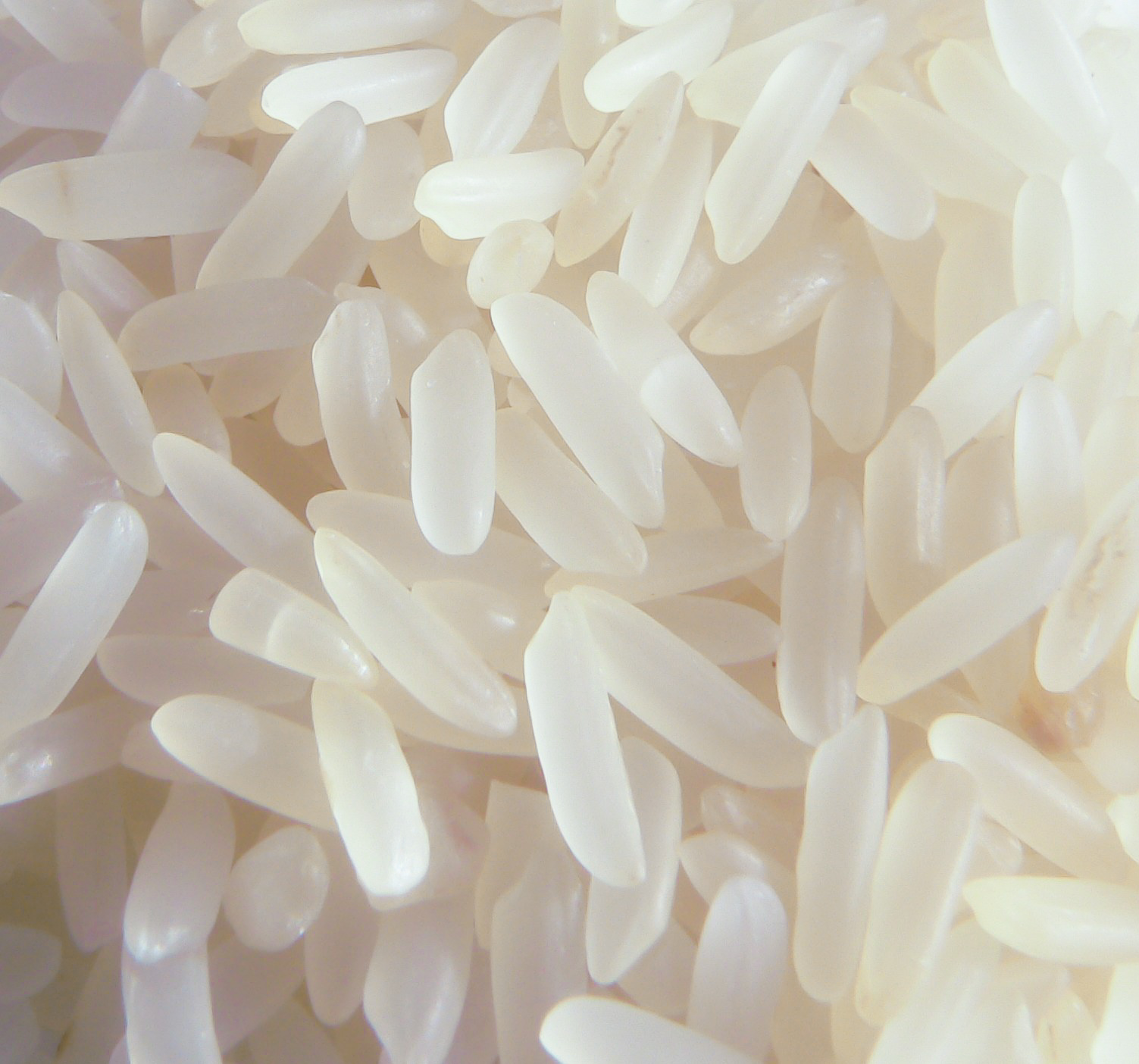
Productivity per hectare has surged 61% since 1990 but production remains highly concentrated on the state of Rio Grande do Sul, which grows on average 48% all rice in Brazil and in 2005 was estimated to have produced 13.20 million metric tonnes.
Soya bean:
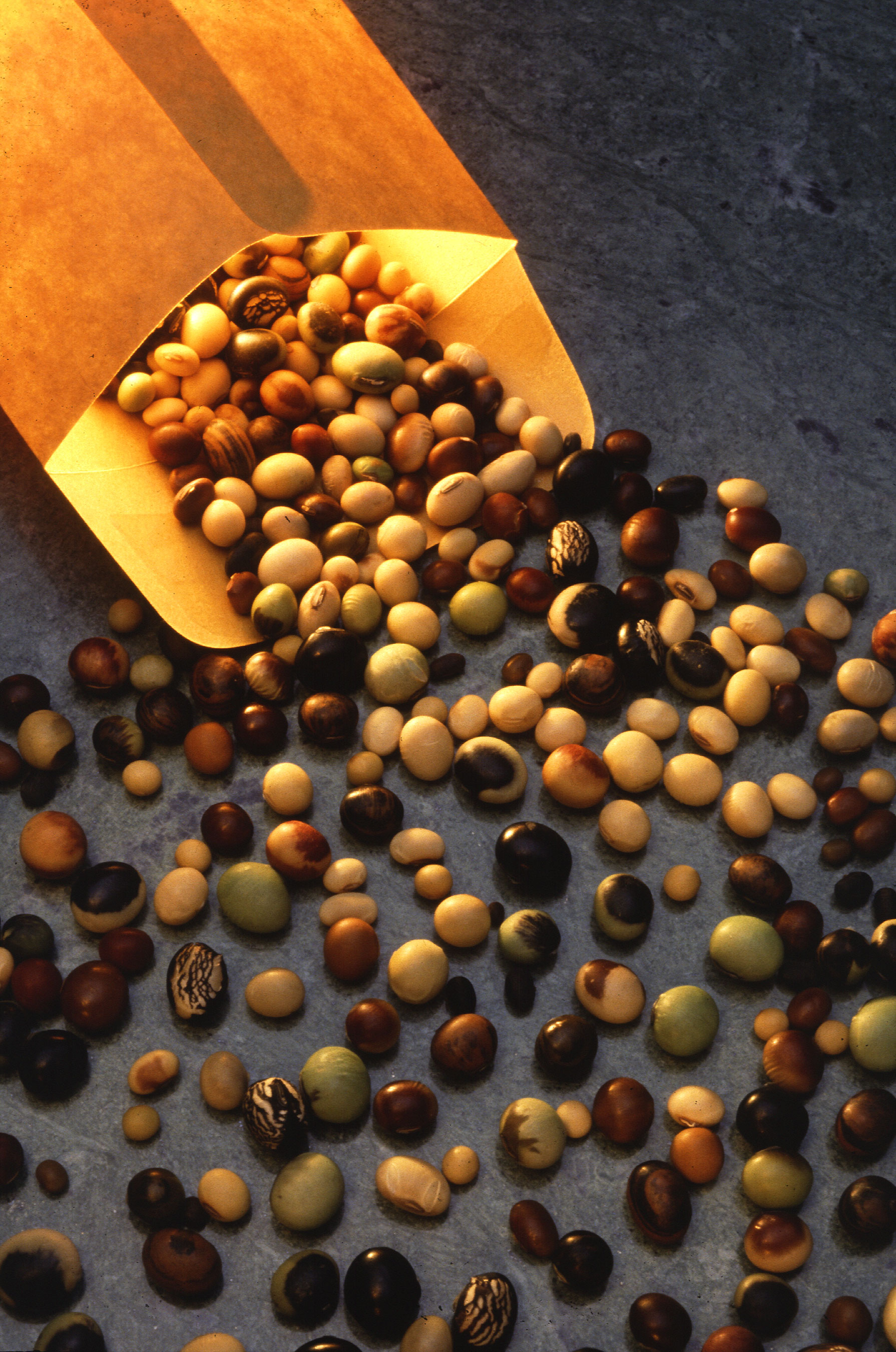
Brazil is the world's second largest producer of soybeans. Brazilian soybean production has increased more than 3000% in the last 35 years. The states of Mato Grosso and Paraná together grow on average since 2000 over 49% of all Soya bean in Brazil. Per hectare productivity has increased 37.8% since 1990. Soya bean and soybean derivatives exports in 2005 alone earned over US$ 9 billion for Brazil and in 2005, production was at 52 million metric tonnes.
Wheat:
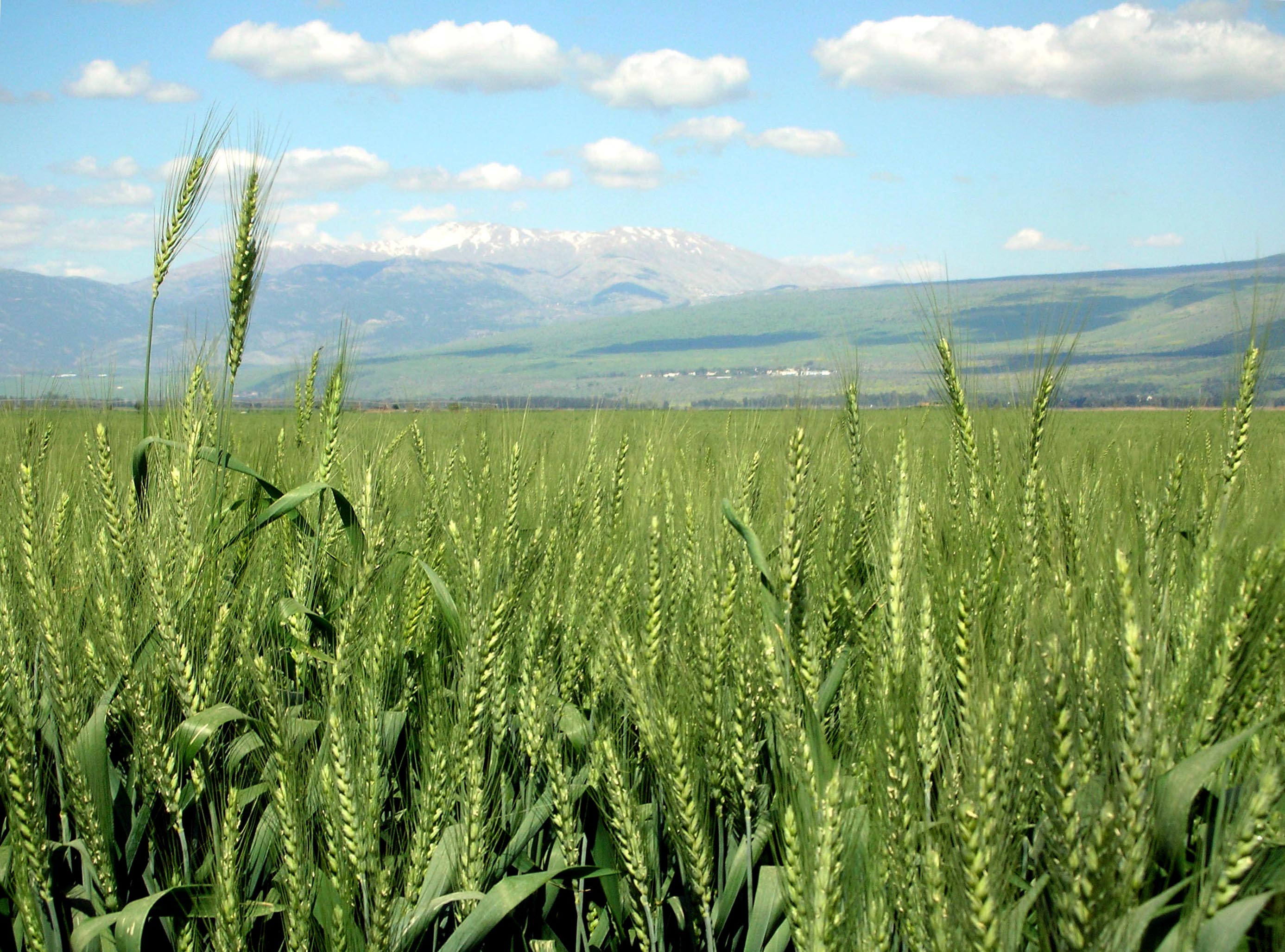
Brazil’s tropical climate is not very suitable for growing wheat, this problem is reflected in the fact that two of Brazil's coldest states, Paraná and Rio Grande do Sul, account for over 90% of wheat production. Despite the internal production Brazil has to import around US$700 million in wheat every year BUT in 2005 produced an average of 4.70 million metric tonnes.
Sugarcane:
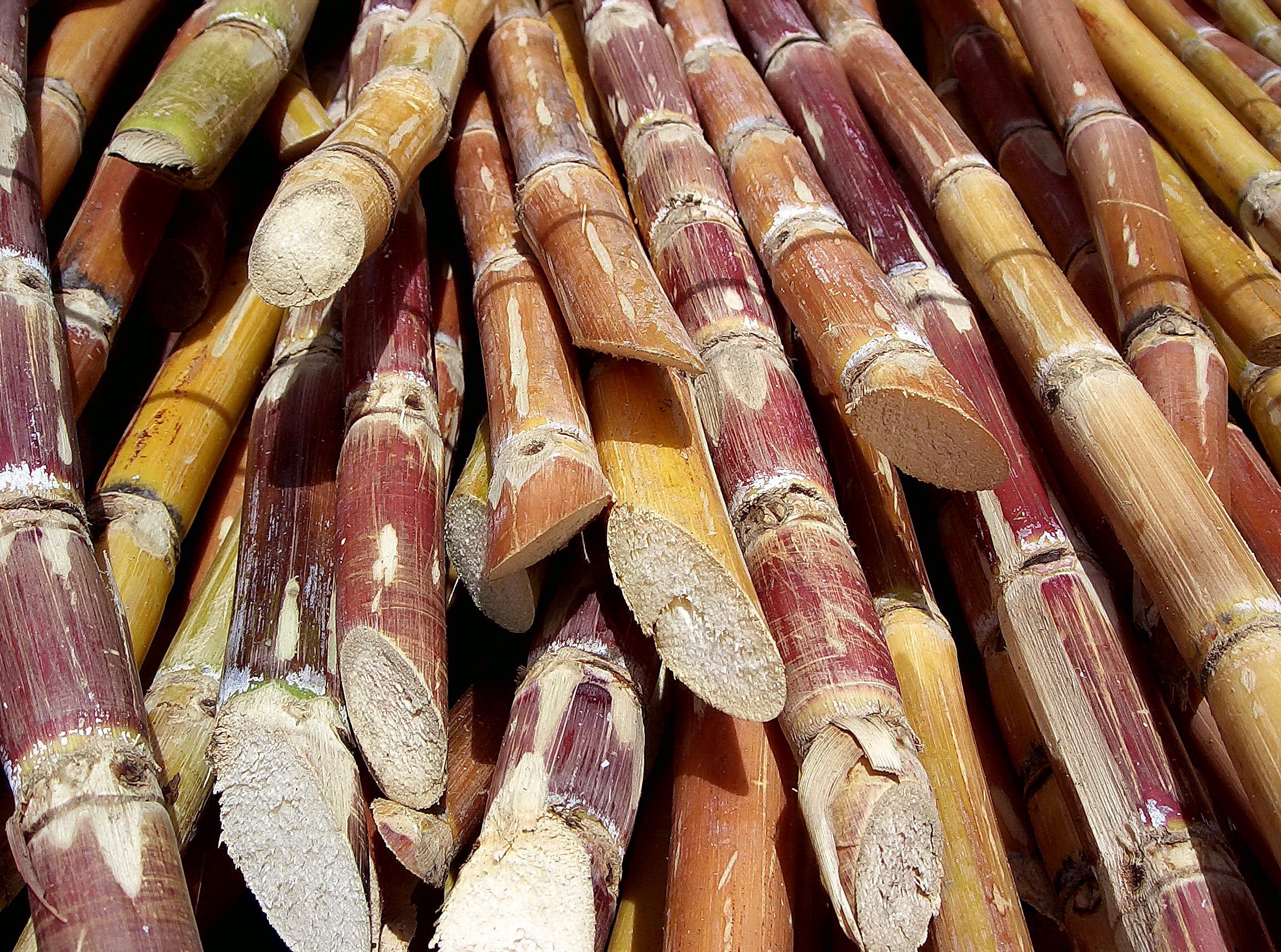
Today Brazil leads the world in sugarcane production. Sugarcane production is concentrated in 6 Brazilian states: São Paulo, Minas Gerais, Mato Grosso, Mato Grosso do Sul, Goiás and Paraná. Those 6 states are responsible for 82% of the total production. Brazil harvested 558 million tonnes of sugarcane in 2007. This represented a growth of 17.62% over 2006. For 2008 Brazil should harvest at least 607 million tonnes, of that total 89% or 540 million tonnes of sugarcane will used for sugar and ethanol production, the other 11% will be used for cachaça and rapadura production, as animal feed and as seeds. Ethanol production in 2008 is predicted to reach at least 26.4 billion litres.
Production in 2007 558 MILLION METRIC TONNES.
Not to mention the millions of tonnes of fruit and vegetables
So for now and the foreseeable future, Brazil looks to be a world contender and shouldn’t be ruled out as a country that will strive in riches and wealth in the coming years ahead.Stay tuned for part two. - Fight Diary


